Why Cameras Cannot Capture the World Exactly as Human Eyes See It
A camera can record more detail than the eye in some situations, but it cannot recreate how human vision adjusts to light, colour, focus and attention while we look at the world.
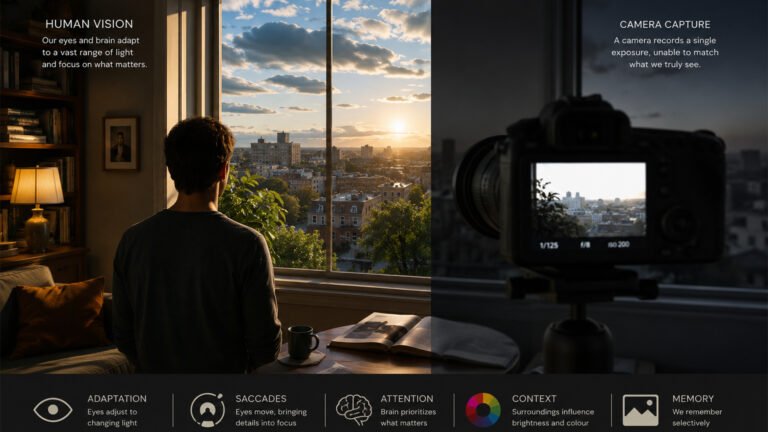
A camera can record more detail than the eye in some situations, but it cannot recreate how human vision adjusts to light, colour, focus and attention while we look at the world.

AI farming can scan crops, predict risks, and improve decisions. But farms are not factories, and farmers cannot be fully replaced by machines.
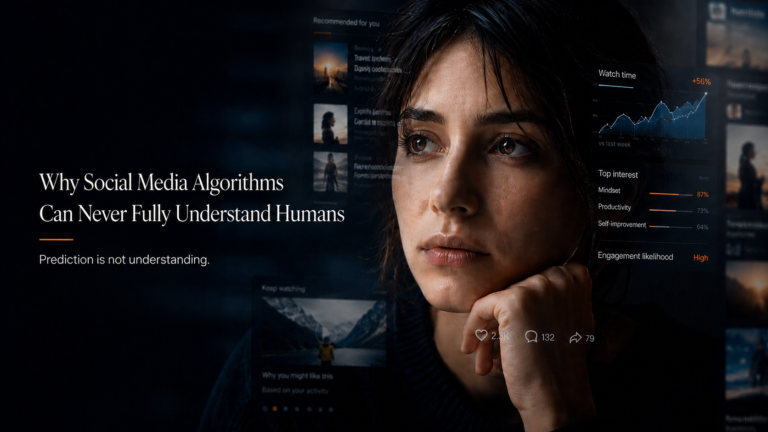
Social media algorithms can predict what we watch, click, and share. But human emotion, context, contradiction, and silence are far deeper than data.
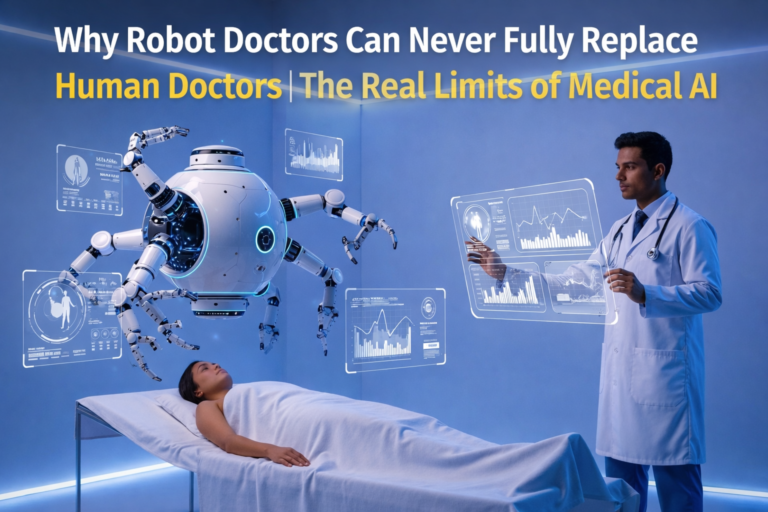
Robot doctors can improve healthcare, but they cannot fully replace human doctors because medicine needs judgment, empathy, trust, ethics, and responsibility.
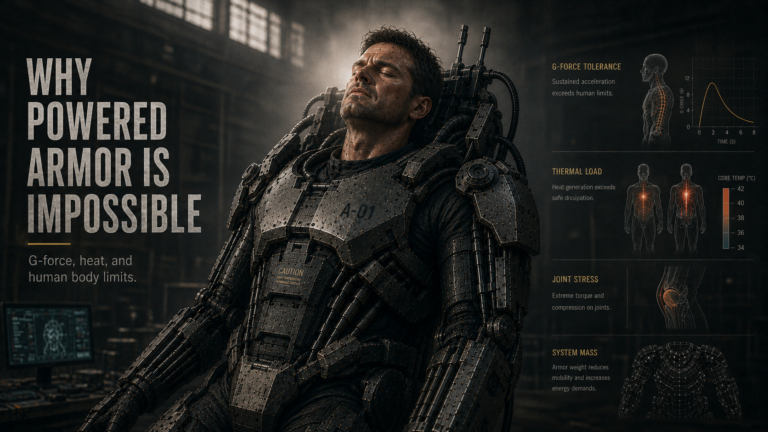
Iron Man’s suit is impossible in real life because G-force, heat, armor weight, joint stress, impact forces, and human body limits make it unsafe.
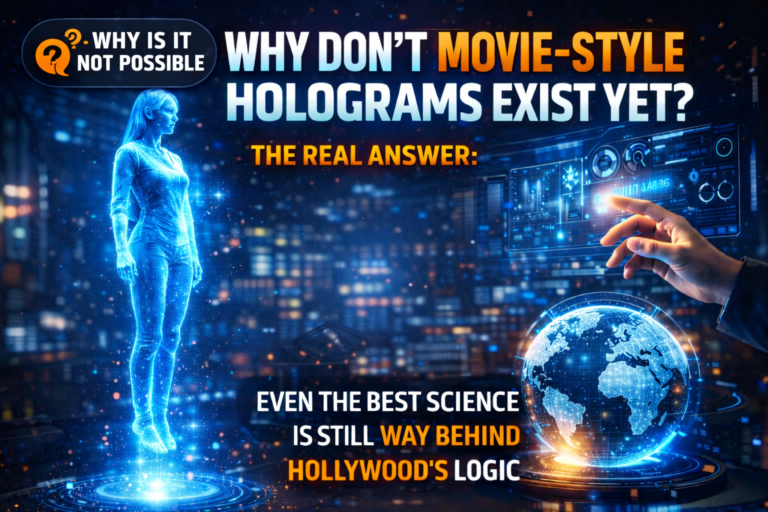
Sci-fi holograms still don’t exist in real life because floating 3D images need extreme optics, brightness, viewing angles, rendering, and hardware.
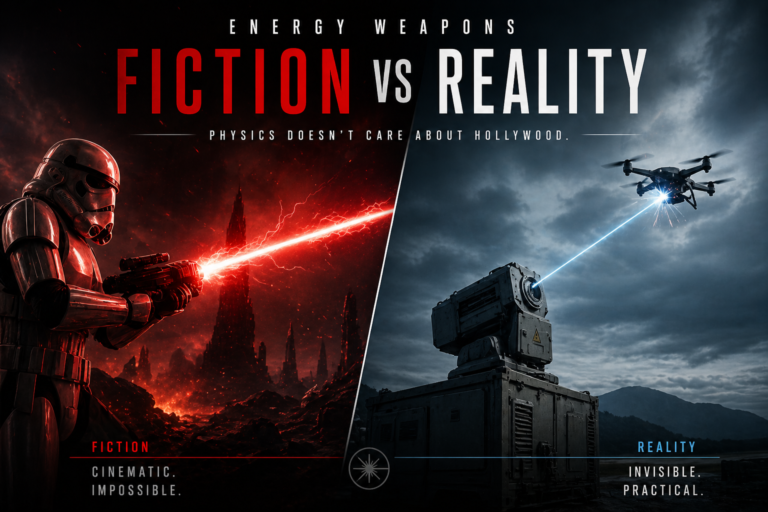
Energy weapons like movies show cannot exist because real physics limits energy density, heat, beam control, power storage, and instant destruction.
Deepfake detection can never be perfect because AI keeps improving, fake media adapts, detection systems lag behind, and digital evidence can be manipulated.
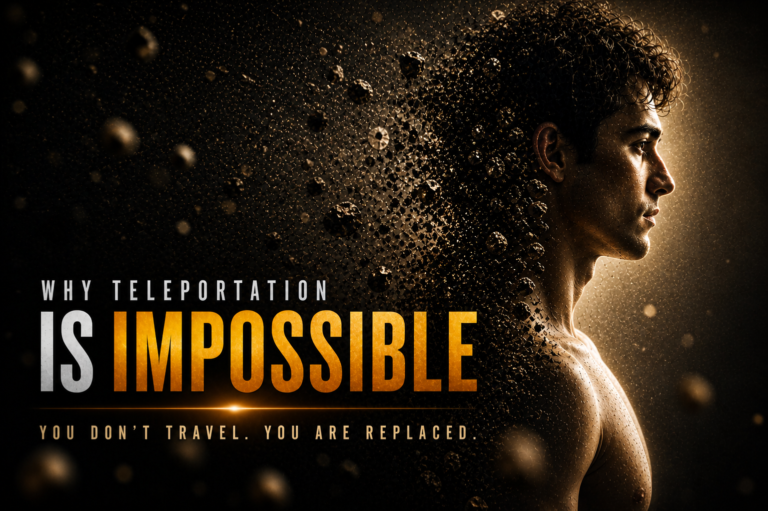
Teleportation is impossible in real life because scanning, destroying, transmitting, and rebuilding a human body would break physical and identity limits.
Fuel can never be converted 100% into useful work because heat loss, entropy, friction, and thermodynamics create unavoidable energy limits.