Technology | AI
Why AI Cannot Become Fully Human
Artificial intelligence cannot become fully human because it lacks biology, consciousness, emotions, lived experience, mortality, and human identity.
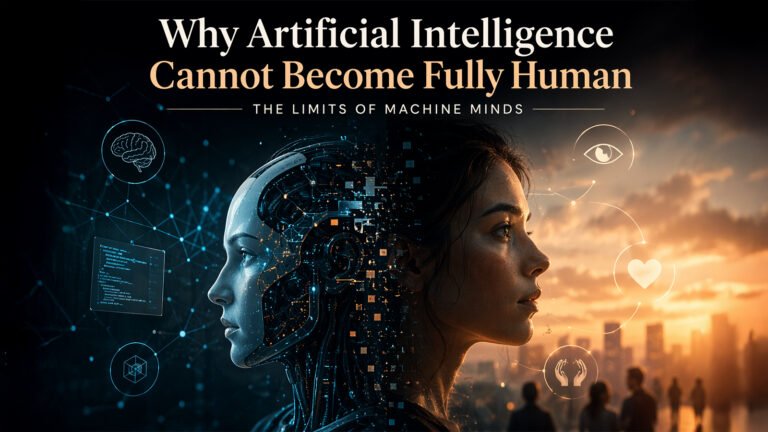
Artificial intelligence cannot become fully human because it lacks biology, consciousness, emotions, lived experience, mortality, and human identity.
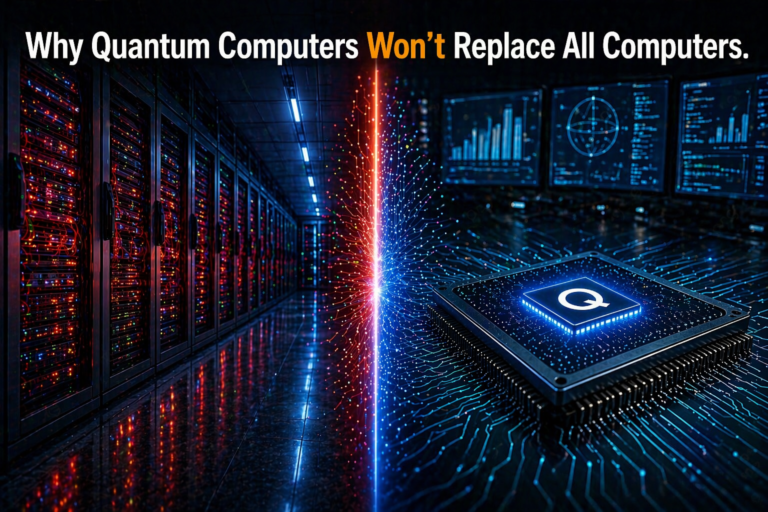
Quantum computers won’t replace all computers because they solve only specific problems, while everyday computing still needs classical machines.
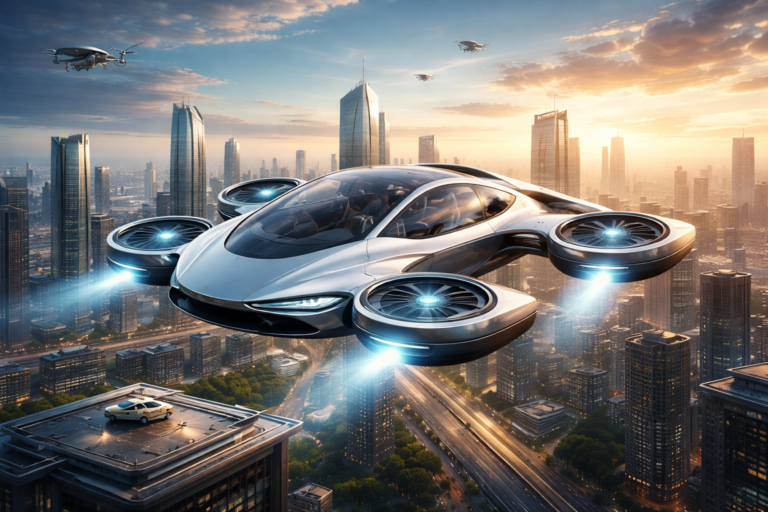
Flying cars still aren’t practical for everyday life because batteries, safety, weather, noise, cost, infrastructure, and air traffic control create real limits.
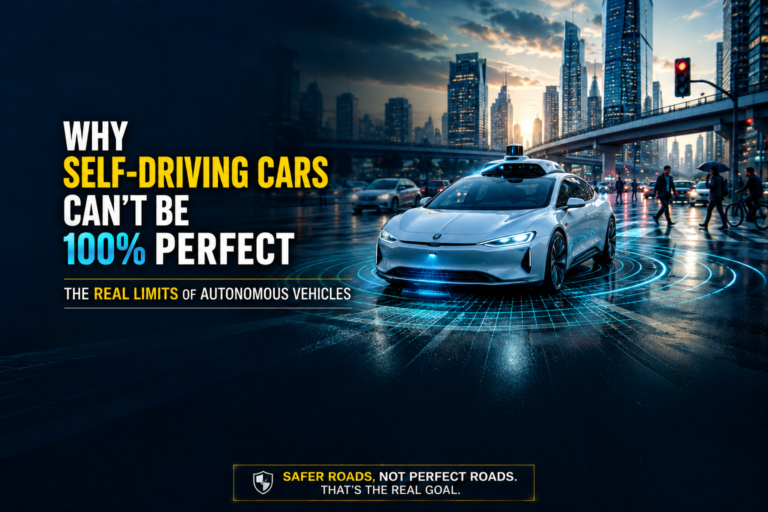
Self-driving cars can’t be 100% perfect because roads, humans, weather, edge cases, sensors, software, and real-world uncertainty create limits.
Software can never be completely bug-free because complex code, human error, changing systems, hidden edge cases, and real-world use create limits.

Internet privacy can never be absolute because data tracking, connected devices, platforms, governments, hackers, and human behavior create permanent exposure.
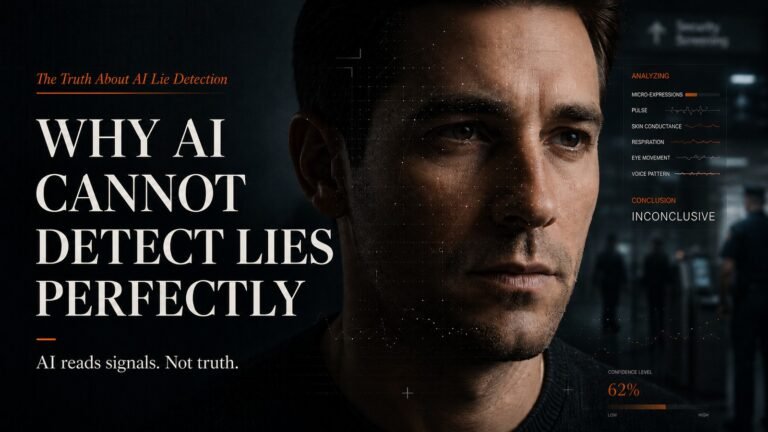
AI cannot detect lies perfectly because human deception depends on context, emotion, culture, intent, fear, stress, and behavior that machines can misread.

Real-time translation can never be perfect because language depends on culture, context, emotion, slang, tone, and meaning beyond words.
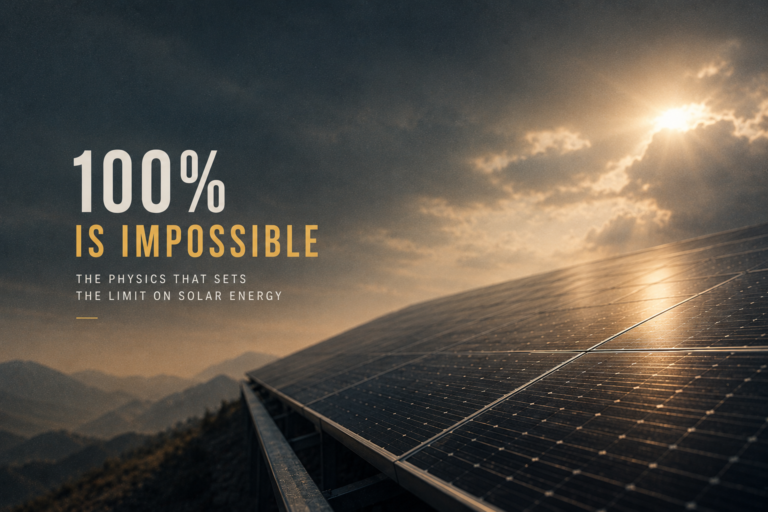
Solar panels can never convert 100% of sunlight into electricity because heat loss, material limits, reflection, and thermodynamics reduce efficiency.
We can’t hack the human brain like a computer because thoughts, memories, emotions, biology, and consciousness do not work like digital code.