Rahul Dravid Records That May Never Be Repeated
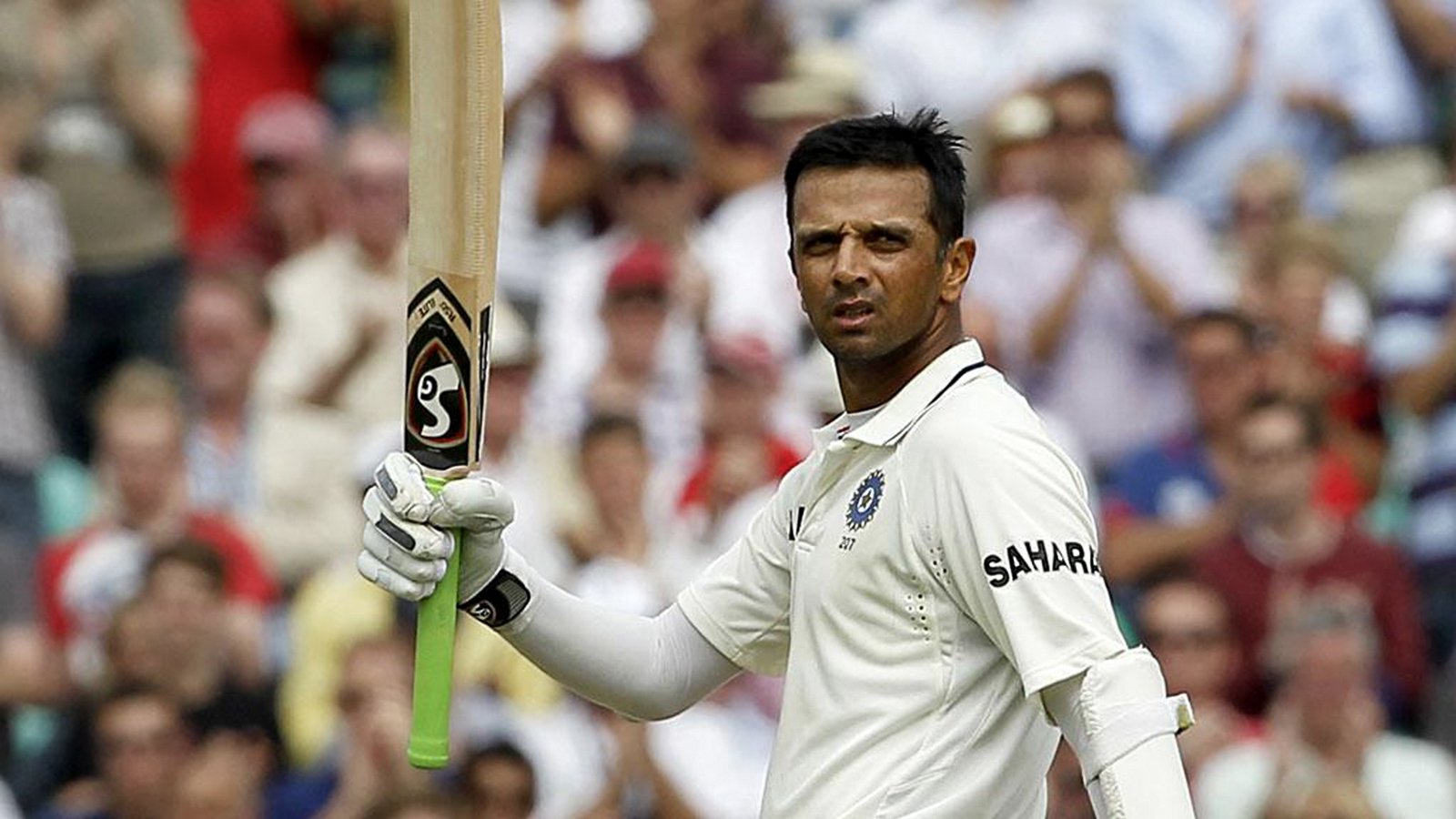
These Rahul Dravid records took nearly 16 years of Test cricket to build. He stayed at the crease and did it year after year. Joe Root has already passed his 210-catch record. The achievements below are the ones that remain.
1. Most Balls Faced in Test Cricket — 31,258
Rahul Dravid faced 31,258 deliveries in Test cricket, more than any other batter in the history of the format. That is more than 5,200 overs.
To reach it, a batter would need a top-order place for well over a decade and the patience to survive hundreds of long innings. Dravid could leave outside off stump, defend for long periods and wait for the loose ball.
Modern players are split between formats, franchise leagues and workload management. Few get the uninterrupted Test career needed to come close to 31,258 balls.
2. Most Consecutive ODI Innings Without a Duck — 120
From August 1999 to February 2004, Dravid played 120 consecutive ODI innings without being dismissed for zero. Martin Crowe had held the previous record with 119. Dravid went one innings further. One early edge, run-out or bad decision would have ended the streak. He did it while batting in different positions and taking on different roles. For more than four years, he never made a duck in an ODI.
Today’s ODI batters attack earlier, which increases the risk of an early dismissal. A run of 120 innings would also need years of selection and plenty of luck.
3. First to Score a Test Hundred in Every Test-Playing Country of His Era
Dravid became the first batter to score a Test century in all ten Test-playing countries of his era.
Conditions changed from one tour to another. England and New Zealand offered swing, South Africa and Australia brought pace and bounce, while Sri Lanka demanded better footwork against spin.
Another batter can score hundreds in the same countries. Nobody can become the first.
4. Most Test Partnership Runs by a Pair — 6,920
Rahul Dravid and Sachin Tendulkar added 6,920 runs together in Test cricket, the most by any batting pair. They shared 20 century partnerships, another world record for a single Test pair. They batted together in 143 Test innings and averaged more than 50 runs per partnership.
To break it, two batters would need long careers that overlap, settled positions in the order and almost 7,000 runs together. If either player retires, the attempt is over.
Final Takeaway: Why These Rahul Dravid Records Are Hard to Repeat
Dravid’s records came from a long career, a fixed top-order role and years of long innings. Matching them would take more than talent. It would take almost the same career.
Related Reads
Sachin Tendulkar Records That May Never Be Broken in Cricket History
Rohit Sharma Records That May Never Be Broken in Cricket History