Jacques Kallis Records That May Never Be Broken
Jacques Kallis built one of cricket’s rarest careers: elite top-order batting, serious seam-bowling value and close-catching excellence across Tests and ODIs.
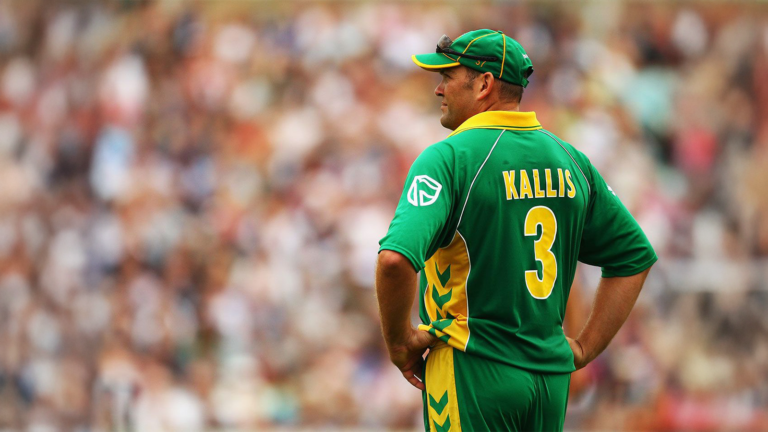
Jacques Kallis built one of cricket’s rarest careers: elite top-order batting, serious seam-bowling value and close-catching excellence across Tests and ODIs.
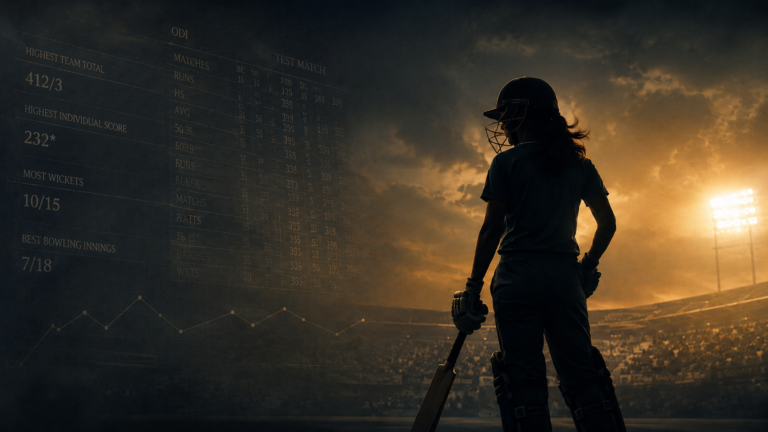
Some women’s cricket records may survive for generations because modern ODI and Test opportunities are changing faster than the talent itself.
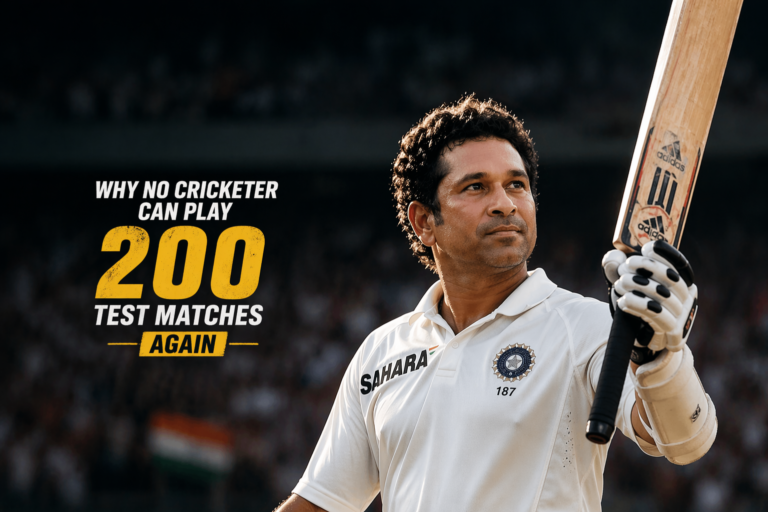
No cricketer may play 200 Test matches again because modern cricket has more formats, heavier workloads, shorter careers, and less time for Tests.
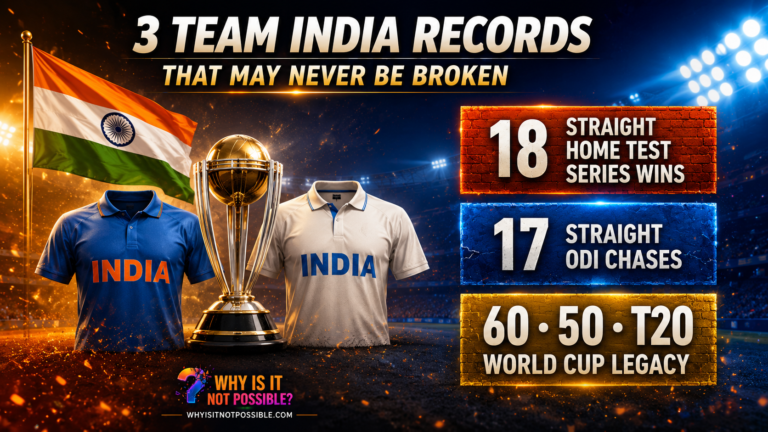
These Team India records may never be broken because they need home dominance, chase culture, squad depth, format adaptation, and trophies across eras.
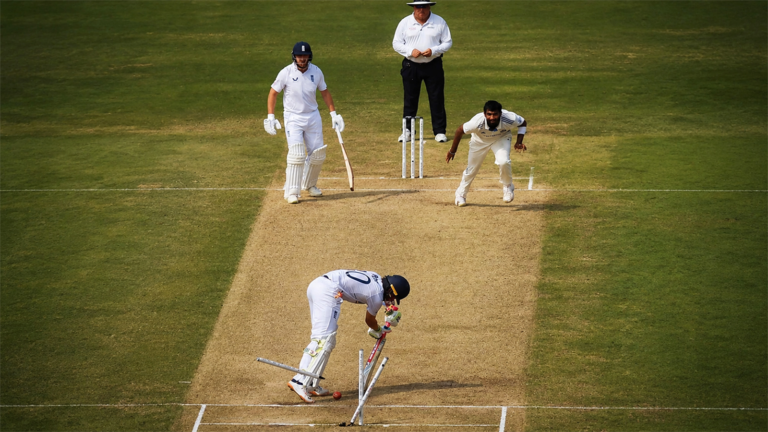
Every ball can’t be a yorker because tiny margins, human limits, batter adaptation, pressure, and strategy make perfect repetition impossible.
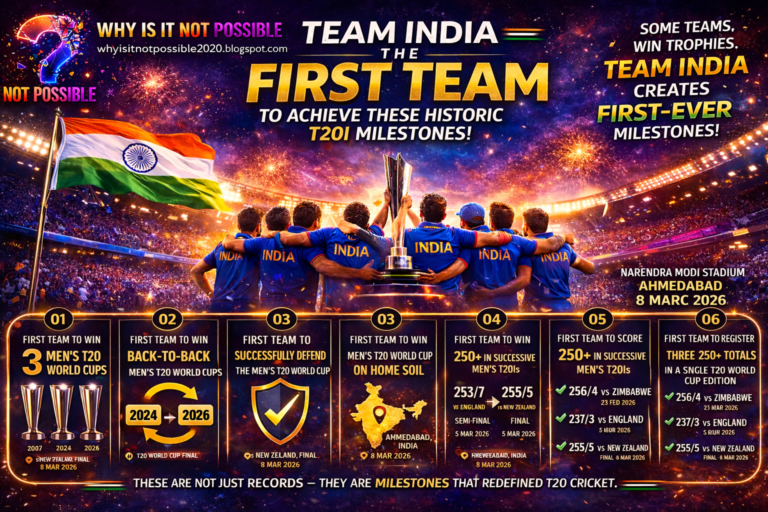
Team India became the first team to achieve historic T20I milestones through consistency, depth, power-hitting, bowling strength, and modern dominance.
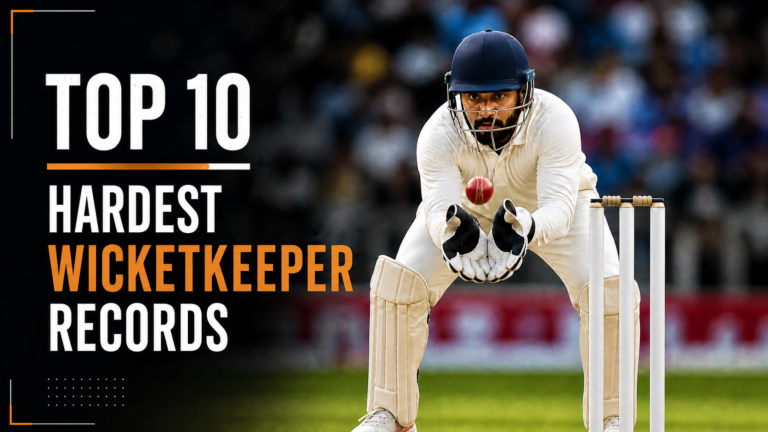
These wicket-keeper records in ODI and Test cricket may never be broken because they need elite keeping skill, longevity, selection, fitness, and rare match volume.
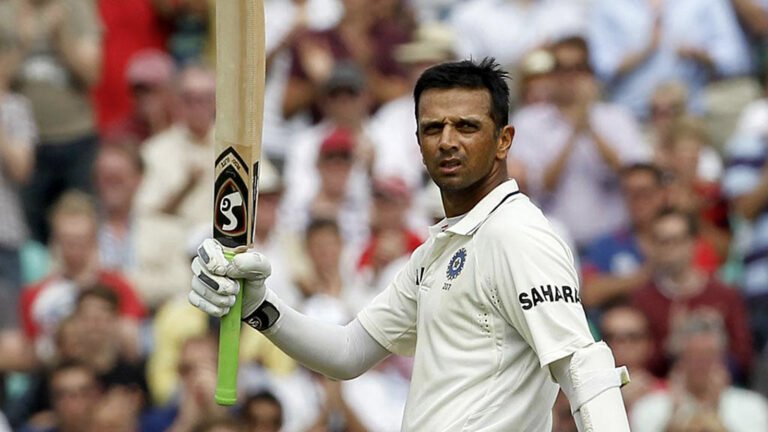
Rahul Dravid’s greatest achievements were built through patience, discipline, and rare Test-match endurance. Some records can be broken, but repeating his career is far harder.
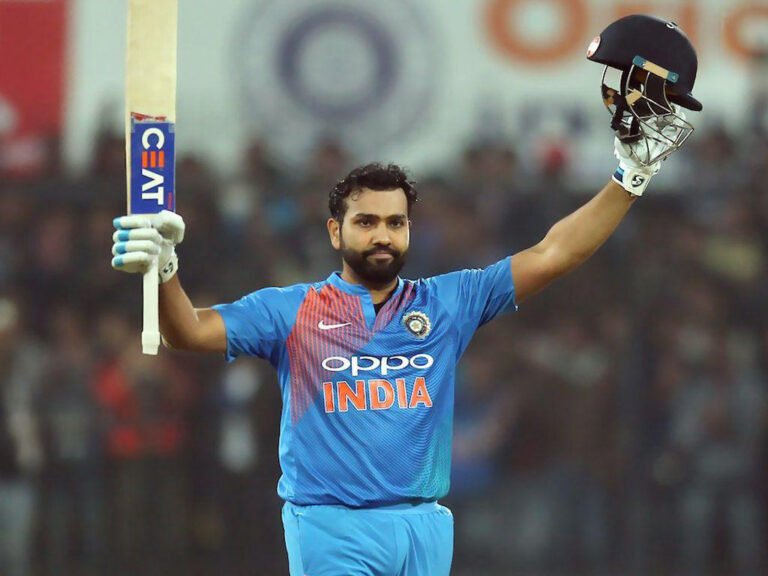
Rohit Sharma’s cricket records may never be broken because his six-hitting, ODI double centuries, World Cup dominance, and timing created rare milestones.
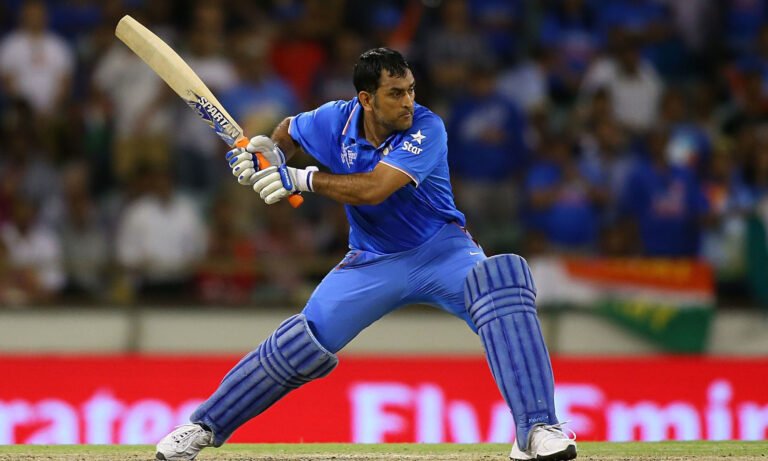
MS Dhoni’s cricket records may never be broken because his captaincy, finishing, wicketkeeping, longevity, and pressure control created a rare legacy.