Why Humans Cannot Survive Without Sleep
Sleep looks like a pause. That is the mistake. From the outside, a sleeping person seems to be doing nothing. No talking, no work, almost no movement except breathing. It feels like the body has simply switched off for a few hours.
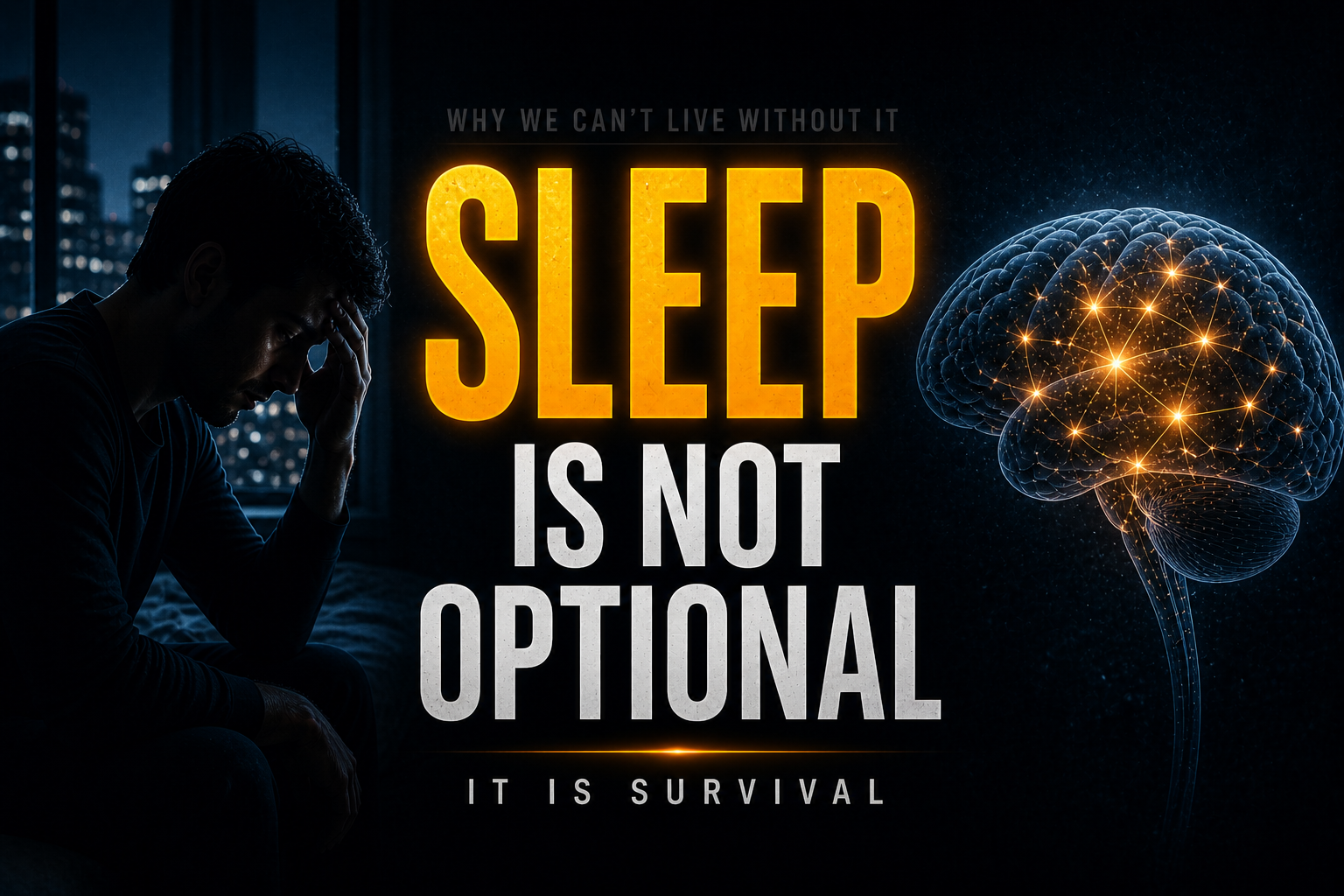
Inside, though, the body is anything but idle. The brain sorts information, the immune system adjusts, hormones shift, tissues repair, and waste products are cleared.
Sleep is not empty time. It is the body protecting itself from collapse. That is why humans cannot simply “adapt” to life without sleep. We can skip a meal and survive. We can lose one night of sleep and still drag ourselves through the next day. But if sleep is removed again and again, the system starts breaking in places willpower cannot reach.
Sleep Is Not Just Rest
Rest reduces effort. Sleep changes the body’s operating mode. During sleep, the brain does not go silent. It shifts into a different rhythm. Across the night, it moves through different stages, including lighter sleep, deep sleep, and REM sleep. Each stage serves a different biological purpose.
Deep sleep is strongly linked with physical recovery. Heart rate slows. Blood pressure drops. Growth and repair processes become more active. The body gets a chance to repair the day’s damage.
REM works differently. The brain becomes highly active. This is the stage most closely connected with dreaming, memory processing, emotional regulation, and learning.
Sleep is not one block of rest. It is a cycle of maintenance, and the body depends on that cycle.
The Brain Needs Sleep to Clean Itself
The brain is one of the most energy-hungry organs in the body. It uses a huge amount of energy, and while it works, it produces waste.
Every thought, decision, memory, and reaction leaves behind chemical by-products. During the day, the brain is handling the outside world. Deep cleanup cannot run at full strength at the same time. Sleep gives it that window.
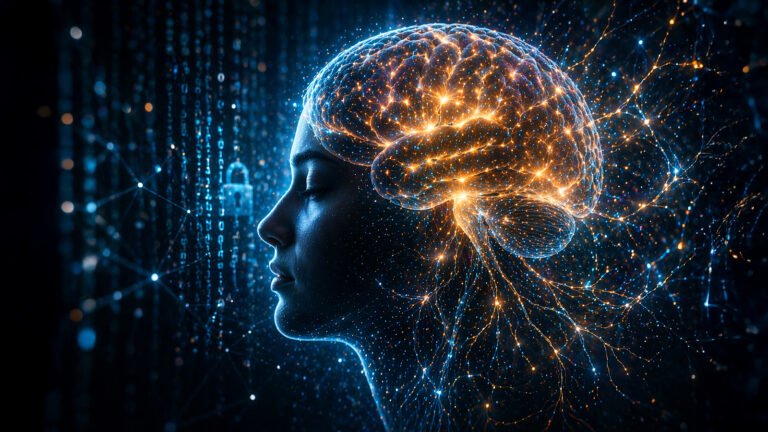
One major finding in sleep science is the brain’s waste-clearance system, often described through the glymphatic system. During sleep, fluid movement around brain cells appears to help clear those leftovers from waking hours. This matters because the brain is not built to run endlessly without cleanup.
If that cleaning window keeps getting cut short, the brain pays for it. Focus drops. Memory becomes weaker. Reaction time slows. Decision-making becomes messy. Even basic tasks feel harder. That is why sleep loss does not just make a person “tired.” It makes the brain less reliable.
Memory Depends on Sleep
A full day throws too much information at the brain. Some of it matters. Some of it does not. Sleep helps the brain sort the difference. This is why students can study for hours and still perform badly if they cut sleep too much.
Learning does not end when the book closes. A major part of learning happens later, when the brain strengthens useful memories and connects them with older knowledge.
Without sleep, the brain may receive information, but it struggles to organize it. That is the hidden cost of sleep deprivation. You may be awake for more hours, but those hours become less valuable. You are awake, but the brain is not filing the day properly.
The Body Repairs Itself at Night
Sleep is not only about the brain. The body also needs the night. Muscles recover, tissues rebuild, hormones shift, and the immune system adjusts its response. This is why poor sleep can make illness feel worse, recovery slower, and physical performance weaker.
Athletes understand this better than most people. Training breaks the body down in a controlled way. Sleep helps build it back.
Children need sleep because growth follows hormonal timing. Adults need it because repair never stops. Every day leaves damage at a microscopic level. Sleep gives the body a chance to deal with it before the next day begins.
A machine can be serviced after it breaks. The human body does not get that luxury. It must repair itself while still staying alive.
Sleep Protects Emotional Control
One of the first things sleep loss hits is emotional control. After poor sleep, small problems feel larger. Irritation rises faster. Stress becomes harder to manage. Fear and anxiety can feel sharper. The brain loses some of its normal brake system. This is not weakness. It is biology.
The brain regions that handle judgment, impulse control, and emotional regulation do not work normally when sleep is missing. That is why sleep-deprived people can become more reactive, more negative, and more likely to make poor decisions.
A tired brain does not only think slower. It feels the world differently.
What Happens When Sleep Is Removed?
One bad night is enough to show a visible cost. Attention drops. Memory weakens. Reflexes slow. Mood becomes unstable. The person may still look normal from the outside, but the loss is already showing in performance.
After repeated sleep loss, the effects spread. The immune system becomes weaker. Blood pressure can rise. Metabolism is disturbed. Hormones lose their rhythm. The risk of long-term health problems increases. Mental health can suffer too, especially when sleep loss becomes chronic.
The hard limit is this: the body has no clean replacement for sleep.
Caffeine can hide tiredness for a while. It cannot clean the brain.
Motivation can push you through a deadline. It cannot repair tissue.
Discipline can keep your eyes open. It cannot replace the chemistry sleep restores.
This is why “I will sleep later” becomes dangerous when it turns into a lifestyle. Later does not fully repay what the body needed the night before.
Why We Cannot Evolve Past Sleep
At first, sleep seems like a design flaw. A sleeping animal cannot hunt, defend itself well, or search for food. For hours, it becomes vulnerable.
So why did evolution keep sleep?
Because the cost of not sleeping is even worse.
If sleep were useless, evolution would not have protected it so strongly. Instead, sleep appears across the animal world in different forms. Life needs periods of reduced outward activity so the nervous system and body can continue functioning. Humans are no exception. Our intelligence does not free us from sleep. In fact, it may make sleep even more important.
A powerful brain creates more processing demand, heavier memory load, more emotional pressure, and more metabolic cleanup.
The Real Limit
The reason humans cannot survive without sleep is not one single failure. It is a chain reaction: weaker memory, slower thinking, poor repair, unstable mood, and weaker immunity arriving together.
Sleep holds too many systems in balance. The brain, heart, hormones, immunity, mood, learning, and repair all depend on it.
Remove sleep, and the body does not fail in one dramatic instant. Control starts slipping piece by piece. The mind becomes unstable, the body weakens, repair falls behind, and the brain stops clearing and organizing properly. At that point, survival itself becomes harder.
Final Takeaway
Sleep is not laziness, luxury, or wasted time.
Sleep is the body’s night shift. It is when the brain clears waste, the body repairs damage, memories settle, emotions stabilize, and the immune system regains strength.
That is why humans cannot live without it. We are not built to run continuously. Every night, the body shuts the world out so it can keep us alive.
Related Reads
Why Can’t Humans See Infrared or Ultraviolet? The Science Behind Our Vision Limits
Why We Can’t Remember Every Moment of Our Life
Why Can’t Humans Live for 200 Years? (Biological Limits of Lifespan)