Technology | AI
Why Robot Doctors Can Never Fully Replace Human Doctors
Robot doctors can improve healthcare, but they cannot fully replace human doctors because medicine needs judgment, empathy, trust, ethics, and responsibility.
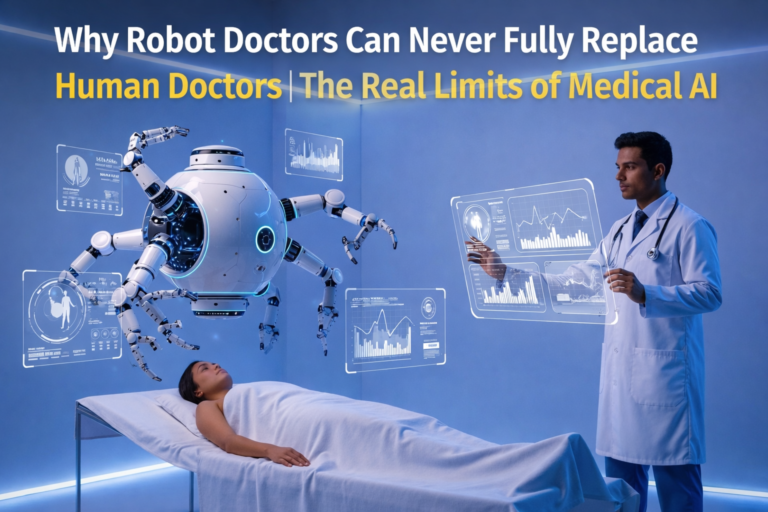
Robot doctors can improve healthcare, but they cannot fully replace human doctors because medicine needs judgment, empathy, trust, ethics, and responsibility.
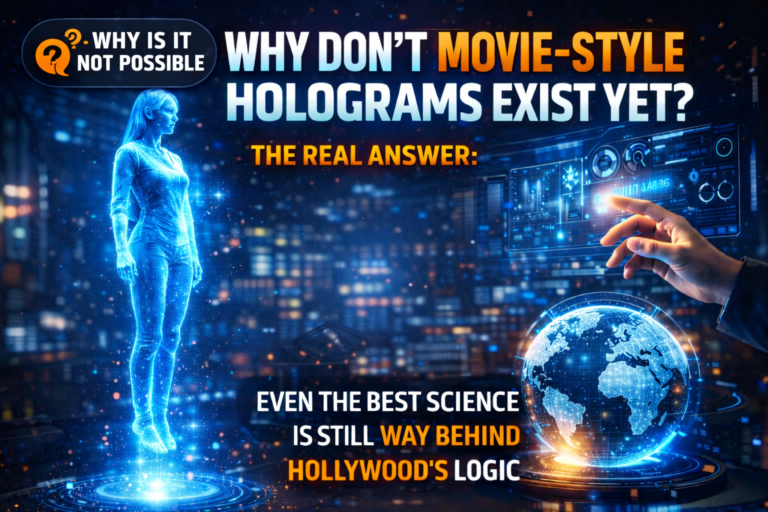
Sci-fi holograms still don’t exist in real life because floating 3D images need extreme optics, brightness, viewing angles, rendering, and hardware.
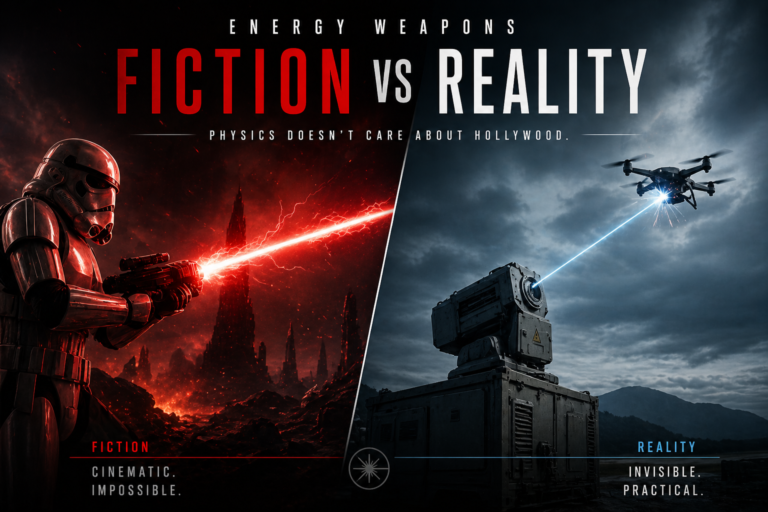
Energy weapons like movies show cannot exist because real physics limits energy density, heat, beam control, power storage, and instant destruction.
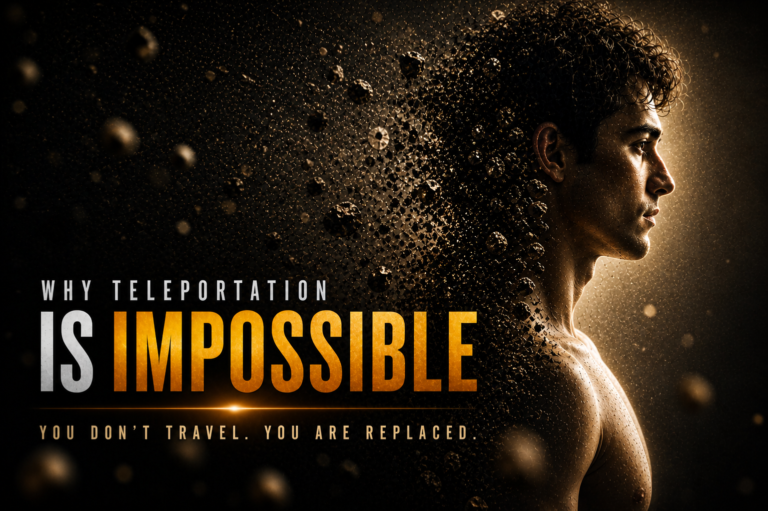
Teleportation is impossible in real life because scanning, destroying, transmitting, and rebuilding a human body would break physical and identity limits.
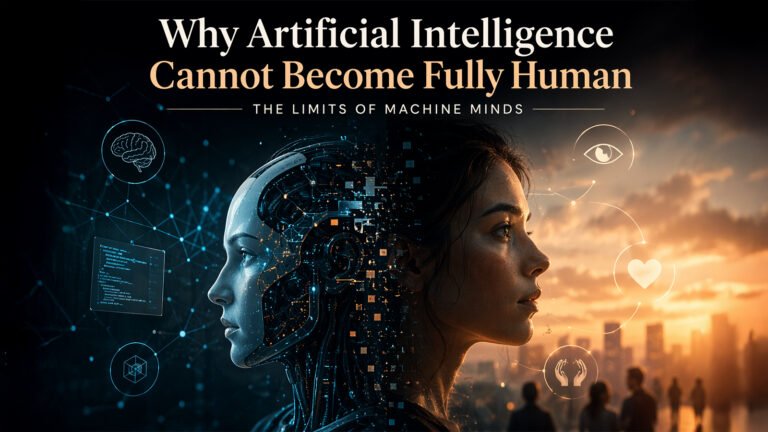
Artificial intelligence cannot become fully human because it lacks biology, consciousness, emotions, lived experience, mortality, and human identity.
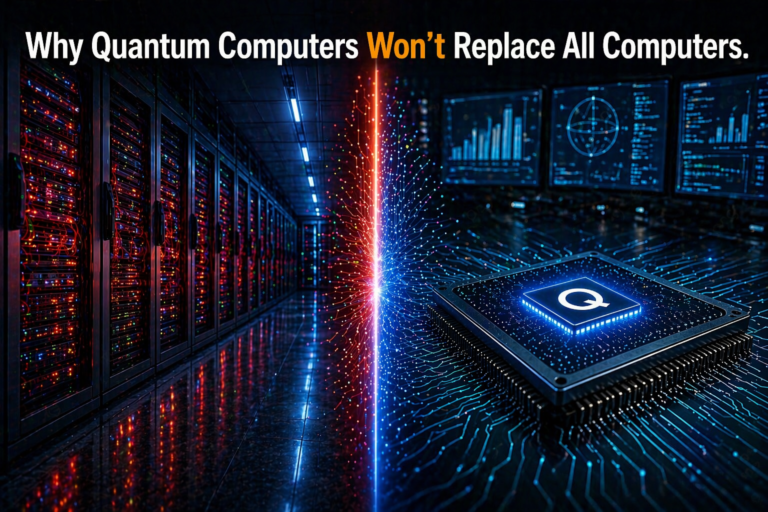
Quantum computers won’t replace all computers because they solve only specific problems, while everyday computing still needs classical machines.
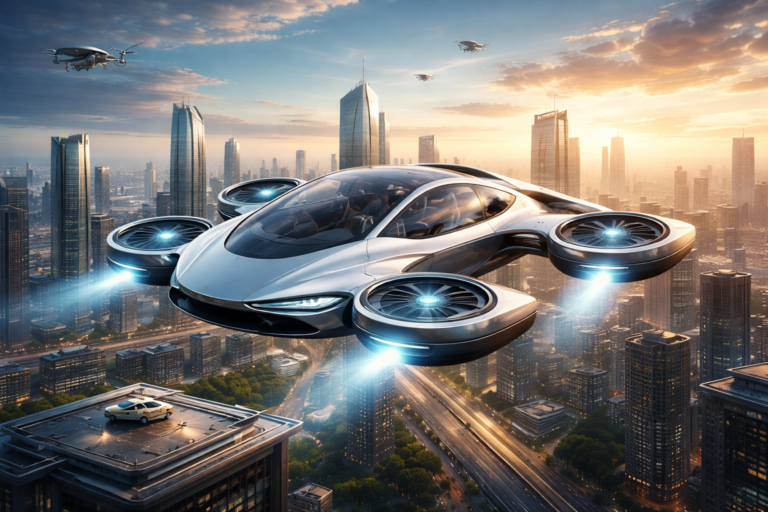
Flying cars still aren’t practical for everyday life because batteries, safety, weather, noise, cost, infrastructure, and air traffic control create real limits.
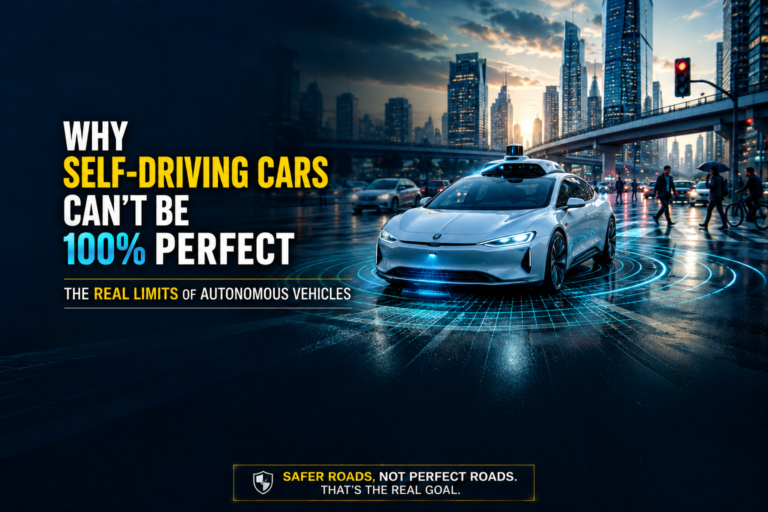
Self-driving cars can’t be 100% perfect because roads, humans, weather, edge cases, sensors, software, and real-world uncertainty create limits.
Software can never be completely bug-free because complex code, human error, changing systems, hidden edge cases, and real-world use create limits.

Internet privacy can never be absolute because data tracking, connected devices, platforms, governments, hackers, and human behavior create permanent exposure.