Why 200 Test Matches May Never Be Reached Again
No cricketer may play 200 Test matches again because modern cricket has more formats, heavier workloads, shorter careers, and less time for Tests.

No cricketer may play 200 Test matches again because modern cricket has more formats, heavier workloads, shorter careers, and less time for Tests.

Perfect goalkeeping is impossible because reaction time, xG, shot speed, deflections, positioning, pressure, and human limits make every save uncertain.

Humans cannot run 100 km/h because muscle power, stride limits, ground contact time, bone strength, air resistance, and biology create hard speed limits.

A 300 km/h tennis serve is almost impossible because human biomechanics, racket limits, reaction time, control, and injury risk create hard limits.
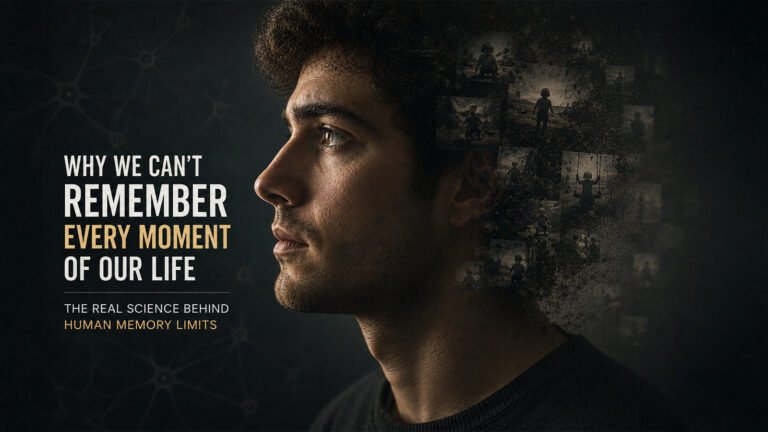
We can’t remember every moment of life because the brain filters, compresses, forgets, and rewrites memories to protect focus and function.
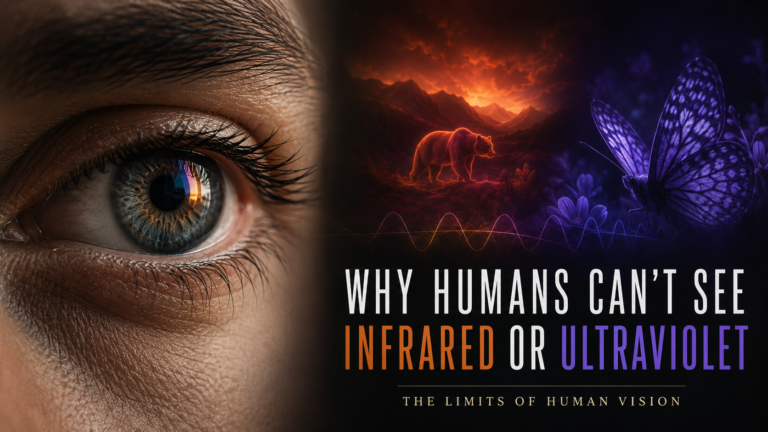
Humans can’t see infrared or ultraviolet because our eyes evolved to detect only a narrow range of visible light that is useful and safe.

Humans can’t live for 200 years because aging damages cells, DNA, organs, immunity, and repair systems beyond the body’s biological limits.

You can’t truly multitask because the brain rapidly switches attention between tasks, creating mental cost, errors, fatigue, and reduced focus.

We can’t hack the human brain like a computer because thoughts, memories, emotions, biology, and consciousness do not work like digital code.

Usain Bolt’s 9.58 seconds may never be broken because sprinting perfection requires rare genetics, biomechanics, reaction time, pressure control, and ideal race conditions.