8 UEFA Champions League Records That May Never Be Broken
From Real Madrid’s five straight European Cups to Cristiano Ronaldo’s 140 goals, these Champions League records may be almost impossible to break.
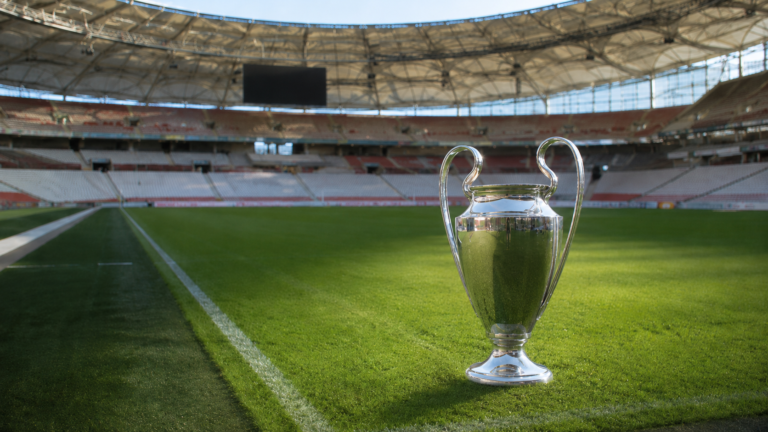
From Real Madrid’s five straight European Cups to Cristiano Ronaldo’s 140 goals, these Champions League records may be almost impossible to break.
Some women’s Olympic athletics records are more than famous numbers. From Florence Griffith-Joyner’s 21.34 to Jackie Joyner-Kersee’s 7,291-point heptathlon, these are the marks that still look hardest to break.

Some women’s cricket records may survive for generations because modern ODI and Test opportunities are changing faster than the talent itself.

A ranking of the most unbreakable men’s Olympic athletics records, from Beamon’s long jump to Rudisha’s 800m, and why they may survive for generations.
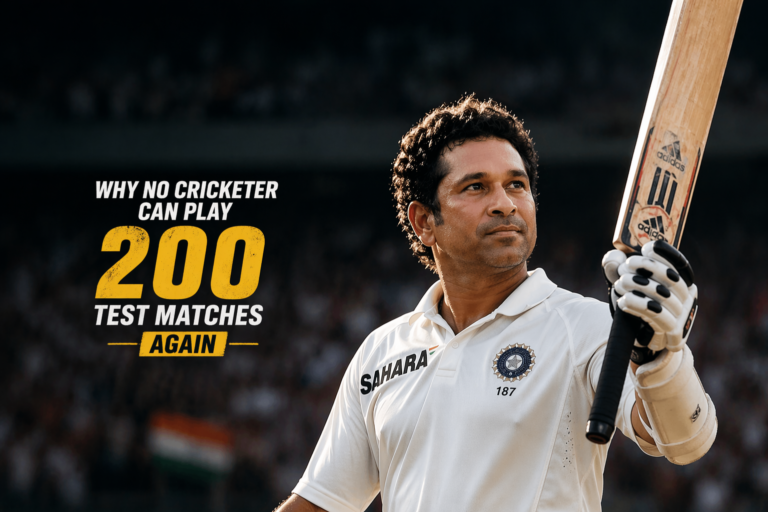
No cricketer may play 200 Test matches again because modern cricket has more formats, heavier workloads, shorter careers, and less time for Tests.
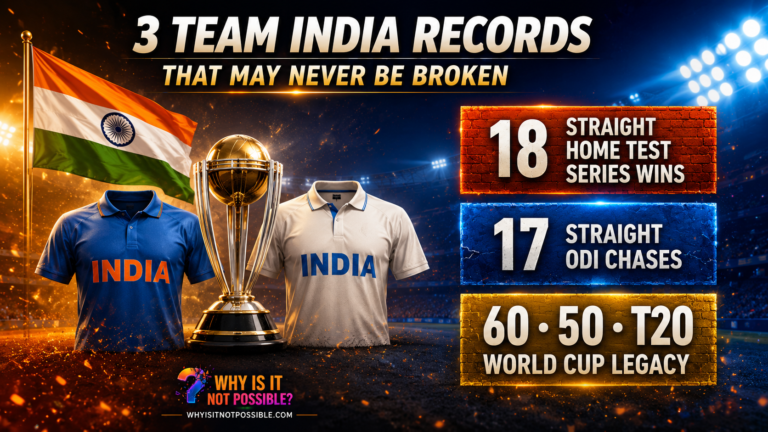
These Team India records may never be broken because they need home dominance, chase culture, squad depth, format adaptation, and trophies across eras.

Asha Bhosle’s records are almost impossible to break because of her longevity, multilingual dominance, song volume, versatility, and unmatched career span.
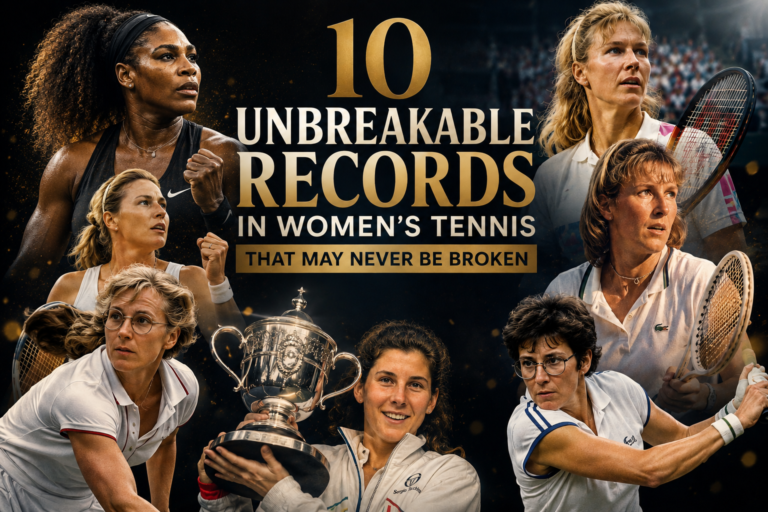
These women’s tennis records may never be broken because they were built through rare dominance, longevity, Grand Slam success, and era-defining consistency.
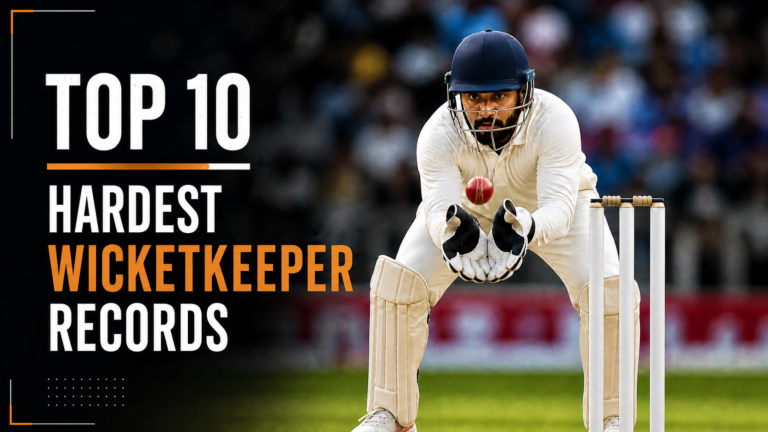
These wicket-keeper records in ODI and Test cricket may never be broken because they need elite keeping skill, longevity, selection, fitness, and rare match volume.
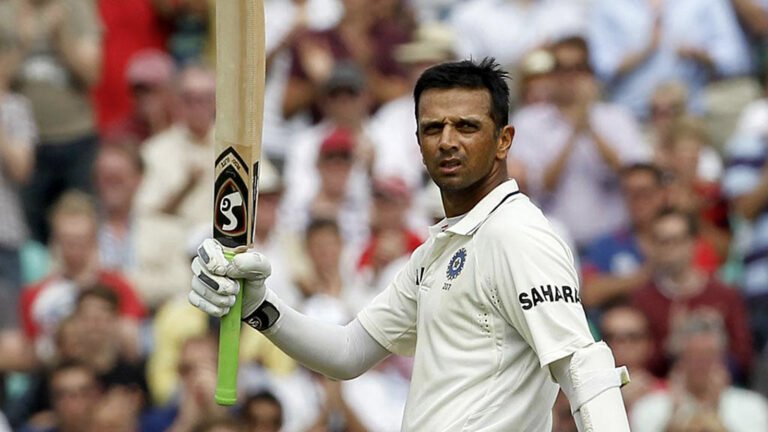
Rahul Dravid’s greatest achievements were built through patience, discipline, and rare Test-match endurance. Some records can be broken, but repeating his career is far harder.