Why No Football Team Can Stay Dominant Forever
The decline of a great football team is rarely obvious at first. The same players are still there, the stadium is still loud and the manager is still demanding the same standards. Results may remain good even when the football has already begun to change. A centre-back who once handled the space behind him now needs more cover. The press is half a step late. A winger who used to beat his marker now finds a second defender waiting. That is why no football team can stay dominant forever. Dominance usually fades through a series of small problems rather than one disastrous defeat.
Pep Guardiola’s Barcelona controlled the middle of the pitch better than almost any team of their era. Manchester United under Sir Alex Ferguson kept finding ways to win across several different generations. Bayern Munich held Germany for 11 straight Bundesliga seasons before Bayer Leverkusen broke the run in 2023/24. Manchester City’s 2023 Treble side found a new level when John Stones stepped out of defence and joined Rodri in midfield, giving City a structure opponents struggled to press.
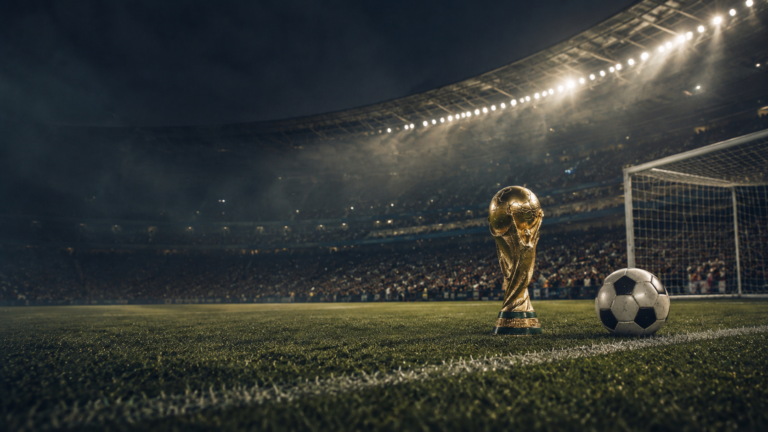
Brazil’s success stretched across several generations, from Pelé and the 1970 side to the World Cup-winning teams of 1994 and 2002. But even the five-time champions have not won the tournament since 2002. National teams also have to deal with injuries, changing generations and improving rivals.
Great teams can dominate for years. The real question is why none of them can do it forever.
Why Rivals Catch Up
Most dominant teams have a strength that opponents initially struggle to handle. For Guardiola’s Barcelona, it was not just passing. Plenty of teams pass. The damage came from the speed of the circulation, the counter-press after losing the ball, and the way Xavi, Iniesta, Busquets and Messi made central areas feel overcrowded. By the time opponents reacted, Barcelona had usually created another passing angle.
Manchester City posed a different problem in 2023. Stones moving into midfield gave them a 3-2 base in possession. Press him as a defender and he would appear beside Rodri. Follow him inside and space would open elsewhere. Sit off and City could build until the defensive block lost patience.
Analysts study body shape, passing triggers, set-piece patterns, distances between units and weaknesses in rest defence. Once one opponent finds a useful response, others copy and improve it. The team may still be strong, but the original surprise is gone. Results can hide that change for months.
A champion may continue beating weaker sides even as its build-up becomes predictable, its defenders struggle with the high line or its midfield leaves more space on counterattacks. The warning often appears first against stronger opposition.
Great Squads Age Together
Rebuilding is not as simple as buying replacements. A dominant squad usually reaches a rare balance. The goalkeeper has experience without losing sharpness. The centre-backs can still defend space, the midfield can control matches and cover ground, and the forwards are willing to press. Even the substitutes are pushing for places.
The problems do not appear all at once. A defender loses recovery pace. A midfielder needs managing between big games. A forward stops pressing with the same bite. A club can sign new players, but the old relationships are harder to replace: who covers the full-back, who delays the counterattack, who slows the game when a match becomes chaotic. Barcelona still had talented players as Xavi, Iniesta, Busquets and Messi declined or left, but the understanding between them could not be reproduced. The ball still moved, only without the same speed and timing.
A crowded schedule can speed up that decline. Deep cup runs, Champions League knockouts, international breaks, summer tournaments and commercial travel leave little time for recovery. The next season begins before many of the same players have properly rested.
Fatigue is not always a dramatic injury. Often it is smaller and more damaging: the striker who no longer chases the second centre-back, the midfielder who turns slower under pressure, the full-back who stops overlapping in the 75th minute because he has been running through nine months of football.
FIFPRO has repeatedly warned about elite-player workloads. Dominant teams are especially exposed because they reach more finals, supply more international players and often travel more for commercial commitments. By spring, the accumulated minutes begin to show.
Success Makes Change Harder
Some dominant teams depend heavily on the manager holding everything together. Ferguson shaped far more than team selection at Manchester United. Guardiola’s influence is visible in the positioning of his teams. Klopp’s Liverpool relied on relentless pressing, running and intensity. But even the best message can lose its effect. Players hear the same instructions every day and become familiar with the training methods. Senior players know what is coming, while new signings may arrive with different habits. Over time, the manager can end up protecting a system that opponents already understand.
United’s decline after Ferguson remains the clearest example. They had money, history and a title-winning squad, but finished seventh the following season. His departure exposed how much Ferguson had personally held together. The playing squad can become difficult to change as well.
Players who win want better contracts. Substitutes want more playing time or contracts that reflect their status. Agents know the club cannot afford a public dispute. Club legends become harder to move on. New signings are judged immediately because the team is not allowed to wait for anyone.
A club may keep a fading player for one more season, sign a famous name because the market expects it or delay the rebuild while the team is still winning. None of these decisions looks reckless on its own. Together, they make the squad older, costlier and less flexible.
UEFA’s squad-cost rule limits spending on player and coach wages, transfers and agent fees to 70% of club revenue. For a dominant club, that can make rebuilding harder when ageing players are still on large contracts and several new signings are needed. The club may recognise that the squad needs major changes without having enough financial room to make them quickly.
When Rivals Stop Fearing Them
Dominance also has a psychological effect on opponents. For years, opponents can give the champions too much respect. They sit deeper than planned, press late and choose the safer pass simply because of the team’s reputation.
Leverkusen changed that mood in 2023/24. Bayern still had elite players and years of domestic dominance behind them, but they no longer looked inevitable. Once one team proved that they could be caught, the rest of the league approached them differently. Full-backs push higher, coaches press more aggressively and midfielders attempt passes they might previously have avoided.
Final Takeaway
No team stays on top forever because the conditions behind its success keep changing. Players grow older, opponents adjust and the manager or key figures eventually leave.
A dominant run can last for years, but no team can stay dominant forever. Sooner or later, the team changes or the rest of football catches up.
Related Reads
Why Three Consecutive Champions League Titles May Never Happen Again
FIFA World Cup Team Records That May Never Be Broken
Why Is It Almost Impossible to Win Every Match in the FIFA World Cup?