Why Faster-Than-Light Travel Is Probably Impossible
Faster-than-light travel is probably impossible because relativity, causality, energy limits, and spacetime physics block ordinary objects from crossing light speed.
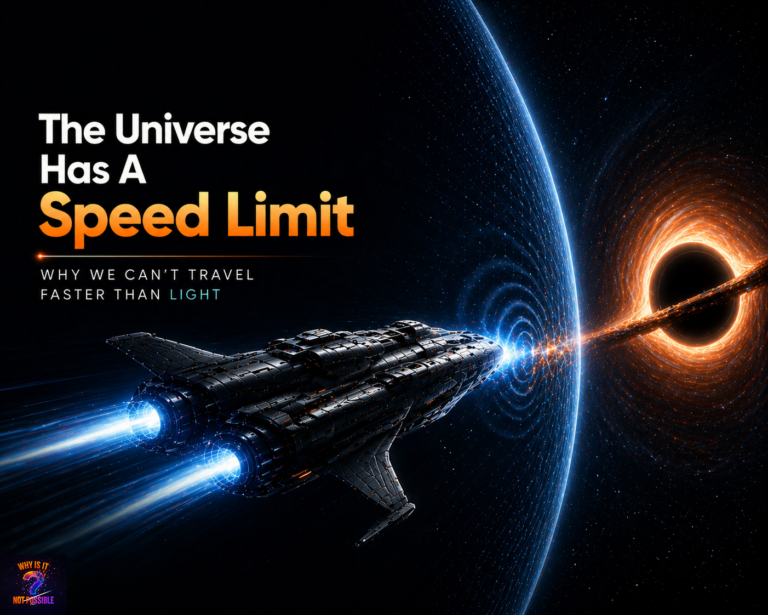
Faster-than-light travel is probably impossible because relativity, causality, energy limits, and spacetime physics block ordinary objects from crossing light speed.
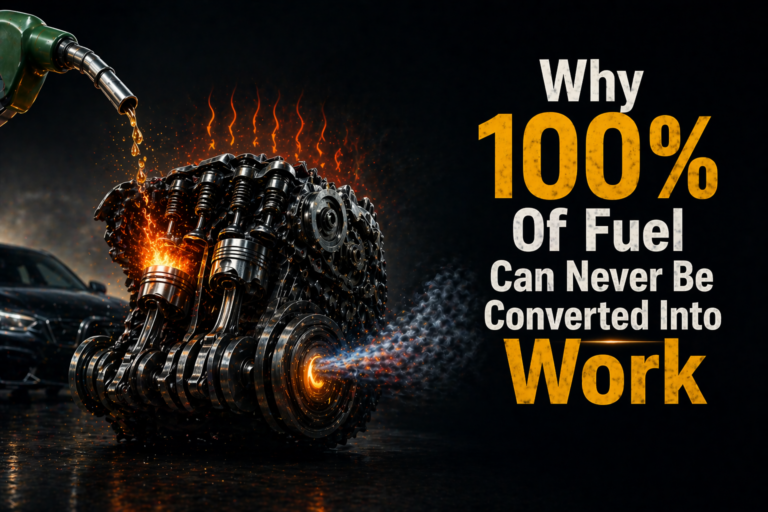
Fuel can never be converted 100% into useful work because heat loss, entropy, friction, and thermodynamics create unavoidable energy limits.

We can’t remember every moment of life because the brain filters, compresses, forgets, and rewrites memories to protect focus and function.
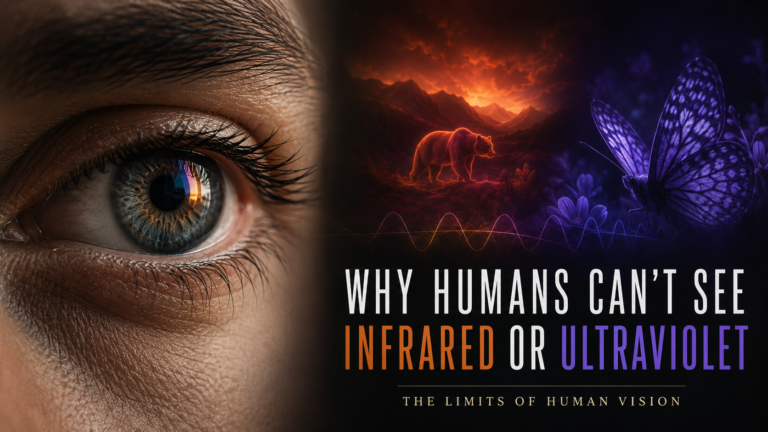
Humans can’t see infrared or ultraviolet because our eyes evolved to detect only a narrow range of visible light that is useful and safe.

Humans can’t live for 200 years because aging damages cells, DNA, organs, immunity, and repair systems beyond the body’s biological limits.
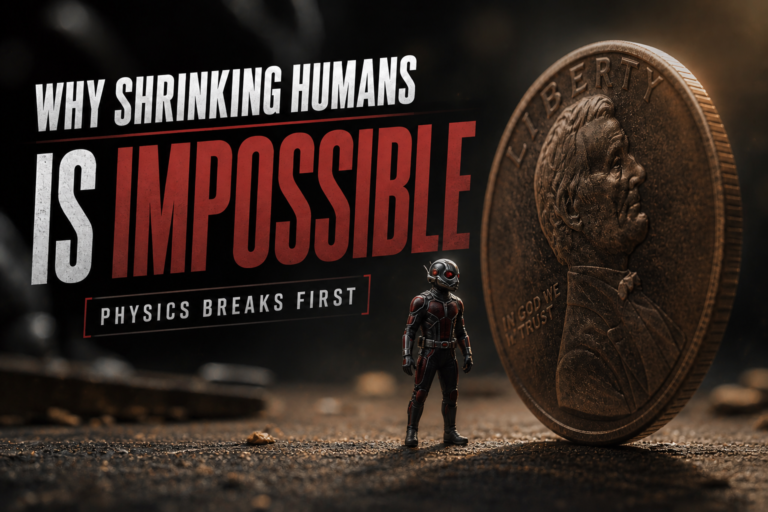
Shrinking humans like Ant-Man is impossible because atoms, mass, strength, breathing, heat, and biology cannot scale down the way movies show.
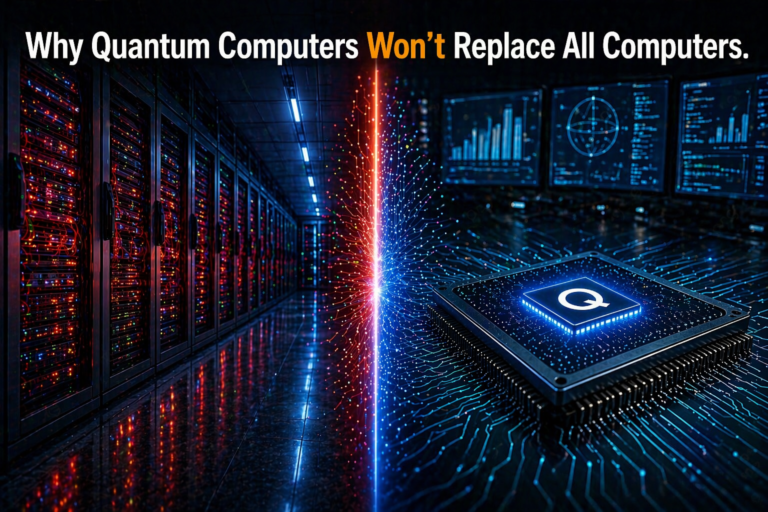
Quantum computers won’t replace all computers because they solve only specific problems, while everyday computing still needs classical machines.
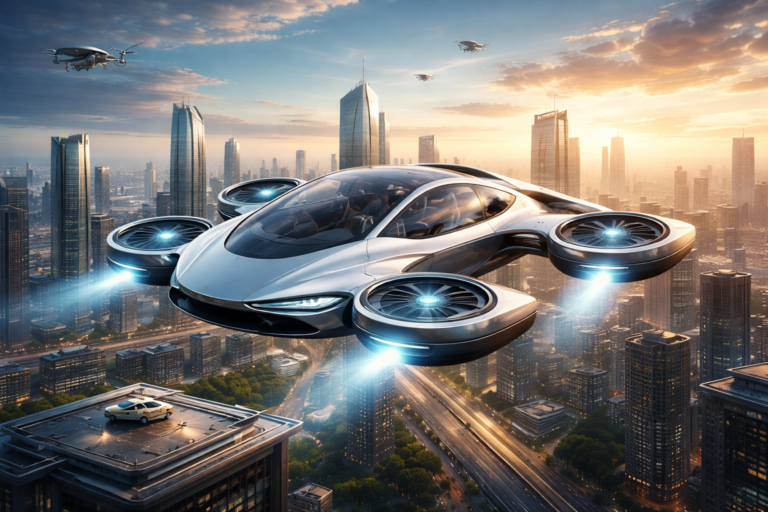
Flying cars still aren’t practical for everyday life because batteries, safety, weather, noise, cost, infrastructure, and air traffic control create real limits.
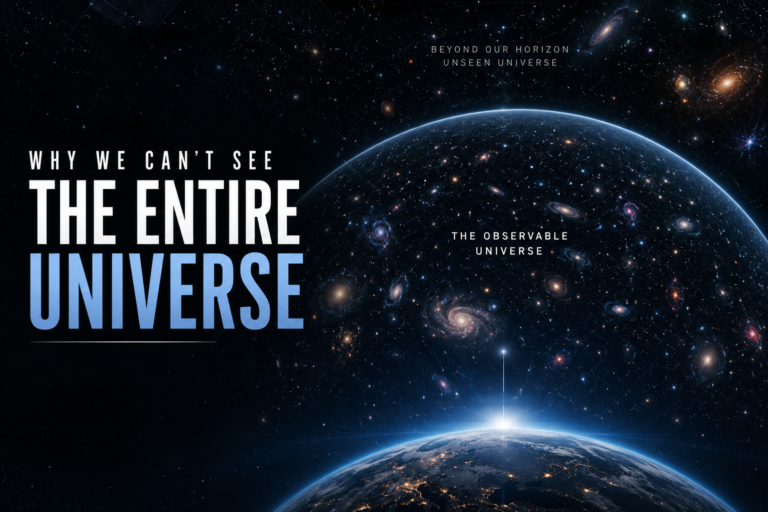
We can’t see the entire universe because light speed, cosmic expansion, the universe’s age, and the cosmic horizon limit what humans can observe.

You can’t truly multitask because the brain rapidly switches attention between tasks, creating mental cost, errors, fatigue, and reduced focus.